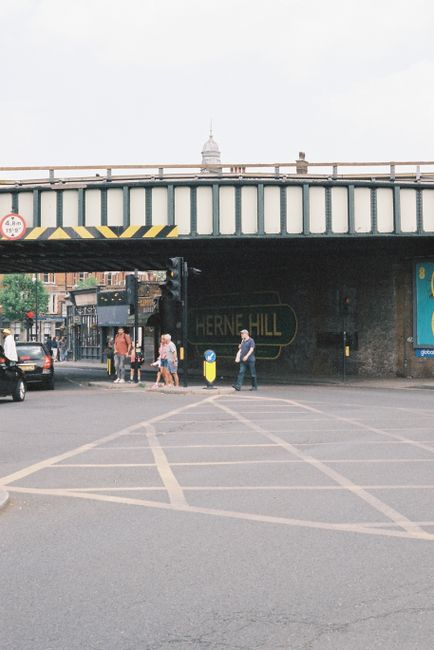
Avoid hidden fees in Herne Hill rubbish removal quotes
If you have ever compared rubbish removal quotes and thought, "Hang on, why has this job suddenly got more expensive?", you are not alone. Hidden charges can creep in through minimum load rules, parking assumptions, access fees, staircase surcharges, or vague "admin" add-ons that were never made clear at the start. The good news is that you can spot most of them before you book. This guide explains how to avoid hidden fees in Herne Hill rubbish removal quotes, what to ask, what to watch for, and how to compare prices like a pro without getting stuck with a nasty surprise on the day.
Herne Hill is a busy part of London, and that matters. Narrow roads, parking restrictions, basement flats, tight stairwells, and time-limited access all affect rubbish removal pricing. Sometimes fairly so. Sometimes, let's be honest, they are used to pad the bill. Below, you will find a practical, no-nonsense way to judge quotes properly, reduce risk, and feel calmer about the whole thing.
One quick note: if you are comparing broader service options as well as pricing, it can help to look at a provider's pricing and quotes page alongside the service description, because the detail often lives in both places.
Table of Contents
- Why avoiding hidden fees matters
- How rubbish removal quotes usually work
- Key benefits and practical advantages
- Who this is for and when it makes sense
- Step-by-step guidance
- Expert tips for better results
- Common mistakes to avoid
- Tools, resources and recommendations
- Law, compliance, standards, or best practice
- Options, methods, or comparison table
- Case study or real-world example
- Practical checklist
- Conclusion
- Frequently asked questions
Why Avoid hidden fees in Herne Hill rubbish removal quotes Matters
Hidden fees are not just annoying. They change the whole decision. A quote that looks competitive at first can become expensive once the team arrives and starts adding charges for things you were never told about. That can leave you feeling stuck, especially if the rubbish is already piled up in a hallway or you have a move-out deadline breathing down your neck.
In Herne Hill, the risk is a little higher than some people expect. There are flats above shops, terraced streets, shared entrances, and the odd awkward loading bay. A provider should account for these things clearly. If they do not, the final bill can drift upwards quickly. And once work has started, it is much harder to challenge anything calmly.
The other reason this matters is trust. Transparent pricing tells you something useful about the company itself. If the quote is clear, specific, and easy to explain, there is usually a better chance the rest of the service will be straightforward too. If the price is foggy, the process often is as well. Not always. But often enough to be worth paying attention.
Expert summary: the safest rubbish removal quote is not always the cheapest headline figure; it is the one that explains exactly what is included, what could change the price, and who is responsible for any extra work.
Think of it like ordering food. A cheap menu price is lovely, but if every side, sauce, and delivery condition is extra, the "deal" can vanish pretty fast. Same idea here.
How Avoid hidden fees in Herne Hill rubbish removal quotes Works
The process is simple once you know the moving parts. A quote is usually built from a few basic factors: how much waste you have, what kind of waste it is, how accessible it is, how long the job will take, and how the material must be handled after collection. The tricky bit is that some companies package these factors clearly while others leave them loose and open to interpretation.
Most hidden fees come from one of these areas:
- Volume changes - the job is priced by load size, and the on-site estimate differs from your description.
- Heavy or awkward items - items like wardrobes, appliances, or mattresses can require more labour.
- Access issues - stairs, long carries, no lift, or restricted parking may create an extra charge.
- Special waste handling - certain items need separate disposal routes.
- Unexpected waiting time - delays caused by access, keys, or permit problems can be billed.
To avoid hidden fees in Herne Hill rubbish removal quotes, your job is to make the unknowns visible before booking. Good providers will ask questions about item type, floor level, parking, collection location, and whether the waste is mixed. That is a good sign. They are not being difficult; they are trying to price properly.
If you want an example of a service where detail matters, look at specialist item pages such as furniture disposal or fridge and appliance removal. Those categories often have more moving parts than people expect.
In plain English: the more accurately you describe the job, the less room there is for surprise charges later. Simple. Not always easy, but simple.
Key Benefits and Practical Advantages
Being careful with quotes gives you more than just cost control. It makes the whole job smoother. And smoother is good, because nobody wants a collection day that turns into a half-hour negotiation on the pavement while a van is double-parked and the neighbour is peering out of the window.
- Better budgeting - you know the likely total before anyone turns up.
- Less stress - no awkward price conversation at the front door.
- Fewer delays - clear information helps the crew arrive prepared.
- Better comparisons - you can compare like with like instead of chasing vague numbers.
- Stronger consumer confidence - you are less likely to feel pressured into agreeing on the spot.
There is also a quality angle. A company that explains its pricing well usually explains the rest of its process well too, from recycling and sorting through to payment handling. That adds up. It is the little things, really, that separate a tidy experience from a messy one.
If you are trying to reduce waste disposal costs overall, it can help to understand how different types of clearance are grouped. A flat clearance, for example, is not priced quite the same way as garden waste or a full property clearance. Providers usually explain the scope on pages such as flat clearance, garden clearance, and house clearance.
Who This Is For and When It Makes Sense
This approach is useful for almost anyone arranging rubbish removal in Herne Hill, but some people benefit especially:
- Homeowners clearing bulky waste after renovations, spring cleaning, or a move.
- Tenants and flat sharers who need a fast, predictable collection before leaving a property.
- Landlords and letting agents who want tidy turnaround and no billing arguments.
- Small businesses clearing office clutter, stock, packaging, or old furniture.
- People dealing with mixed waste where item types may affect the final price.
If you have a straightforward load, the process is usually easy. But if there are multiple floors, limited parking, or awkward objects, you need to be more careful. That is especially true for jobs involving lofts, garages, or outbuildings. These spaces often look manageable at first glance, then become a bit of a faff once you start shifting boxes, broken furniture, and old bits you forgot were even there.
This is also relevant if you are arranging a one-off collection rather than an ongoing contract. One-off jobs are where quote accuracy matters most because there is less room to absorb a mistake later.
For business users, a page like business waste removal is worth checking when comparing service levels, because commercial waste often has different assumptions around access, volume, and handling.
Step-by-Step Guidance
Here is the most practical way to avoid hidden fees in Herne Hill rubbish removal quotes without overcomplicating it.
- List exactly what needs removing. Include item types, rough quantities, and whether anything is unusually heavy, sharp, wet, broken, or awkward.
- Describe access honestly. Mention stairs, lifts, basement levels, long corridors, narrow entrances, or lack of parking. Even a small detail can change labour time.
- Ask how the quote is calculated. Is it based on volume, weight, item type, or a mix of all three? Ask plainly.
- Check what is included. Find out whether labour, loading, disposal, VAT, parking, and congestion-related costs are included or separate.
- Request the conditions in writing. Email, message, or booking confirmation is fine. You just want the wording visible.
- Ask about potential extras upfront. Stair fees, minimum charges, same-day surcharges, and special waste costs should be identified before the job starts.
- Compare more than one quote. Do not compare a rough estimate from one provider against a fixed price from another. That is apples and oranges.
- Confirm the final check process. A good team should explain whether they will re-check the load on arrival and how any change will be agreed.
A useful habit: read the quote back in your own words before saying yes. Something like, "So this covers collection from a first-floor flat, loading, and disposal of these items, with no extra charge unless the volume changes on arrival?" That one sentence can save a lot of grief. Honestly, it works.
If you are booking online, pages like book online can make the process quicker, but do not let speed replace clarity. Fast is good. Clear is better.
Expert Tips for Better Results
These are the little things that often make the biggest difference.
1. Take photos from more than one angle
One quick photo rarely tells the full story. Send a wide shot, then a closer one of the heaviest or messiest items. If the pile is in a loft or garage, show the route out as well. You want the provider to see the job, not just the clutter. That may sound obvious, but it really does help.
2. Separate clearly different waste types
Mixed waste can be priced differently from clean, sorted material. Cardboard, garden cuttings, furniture, appliances, and general household items may all be handled differently. If possible, group them in a way that makes sense. It does not need to be perfect. Just clear.
3. Ask about minimum charges
Some companies have a minimum collection price, even for small loads. That is normal enough, but it should be explained openly. If you only have two items, a minimum fee may be fine. What you do not want is discovering it at the kerbside after a friendly quote that looked smaller than it really was.
4. Check whether the quote is time-limited
Prices can change if a quote is held for only a short period. If you are comparing options over a few days, ask how long the estimate remains valid.
5. Keep an eye on wording like "subject to inspection"
This is not automatically suspicious. Sometimes a site visit is genuinely needed. But if the wording is vague and there is no explanation of what might change, that is a yellow flag. Not a red one every time, just something to watch.
There is one more practical tip that people overlook: ask who carries the risk if access turns out to be worse than described. If you said there were two flights of stairs and it turns out to be four, fair enough. But if the provider never asked, and then suddenly adds a fee, you have learned something about how they operate.
Common Mistakes to Avoid
Most hidden-fee problems come from rushed comparisons. The quote looks fine, the day is busy, and you just want the pile gone. Fair enough. But a few mistakes are especially common.
- Only looking at the headline price without checking what it includes.
- Not mentioning stairs or access issues because they seem minor.
- Forgetting about parking or loading restrictions in tighter Herne Hill streets.
- Assuming "all rubbish" means every type of waste with no exclusions.
- Ignoring item-specific charges for things like mattresses, fridges, or heavy furniture.
- Agreeing verbally only and not keeping written confirmation.
- Rushing into same-day booking without asking enough questions first.
A lot of people also forget to mention items stored in awkward places. A garage clearance sounds simple until you realise half the load is behind stacked boxes and the other half is damp from a leak. Then the quote needs revision. That is not always a problem, but it should be discussed before the van arrives.
One slightly embarrassing but common issue: people say "it's just a small bit of waste" when it is actually a very full van load. The crew can tell, of course. Better to be honest from the start. Saves everyone a bit of awkwardness.
Tools, Resources and Recommendations
You do not need fancy tools to protect yourself from hidden fees, but a few simple things help.
- Phone camera - take clear photos of the waste and the access route.
- Notes app or checklist - write down item counts, access details, and questions to ask.
- Measurements - rough dimensions for bulky items can be useful.
- Booking confirmation email - keep it so you can refer back to the agreed price.
- Payment clarity - check whether card, bank transfer, or other methods are accepted and when payment is due.
If you want to understand what may affect pricing further, a useful support page is waste removal, because broad waste collections often cover several categories and conditions that are easy to miss at first glance.
For household decluttering, specialist pages such as loft clearance, garage clearance, and home clearance can help you judge how your own job may be grouped and priced.
If your collection includes sensitive paperwork, the confidential shredding page is a reminder that not all waste is equal. Some items need specific handling, and that can change both the process and the quote.
Law, Compliance, Standards, or Best Practice
This area is worth treating carefully. Waste carriers and disposal services in the UK have obligations around lawful handling, safe transport, and proper disposal. You do not need to memorise regulations to protect yourself, but you should expect the provider to operate transparently and responsibly.
Best practice usually includes:
- clear item descriptions so pricing is based on real information;
- visible terms and conditions so you know what happens if the job changes;
- safe handling procedures for heavy, sharp, or awkward items;
- responsible disposal and recycling where possible;
- honest communication about exclusions, especially for restricted or hazardous waste.
Some items may require special treatment, and providers should be upfront about that. If you have anything potentially hazardous, do not assume it can go out with normal mixed waste. Ask directly. The same is true for electricals, fridges, or items with fluids or unknown contents. A cautious question saves a lot of trouble later.
It is also sensible to check a provider's policies on safety and payment. Those pages are not just paperwork. They show whether the business thinks in terms of process and accountability. For example, health and safety policy, insurance and safety, and payment and security can all tell you something about how carefully a company runs its work.
And yes, terms and conditions can be tedious reading. No argument there. But the few minutes spent scanning them can be the difference between a fair final bill and a messy one.
Options, Methods, or Comparison Table
When you are comparing rubbish removal quotes, you will usually see one of three pricing styles. Each has strengths and weaknesses.
| Pricing method | How it works | Pros | Watch out for |
|---|---|---|---|
| Fixed quote | A set price based on the information you give | Easy to budget, simple to compare | Can change if your description is incomplete |
| Estimate | A likely cost that may change after inspection | Flexible when details are uncertain | More room for surprise extras if not explained well |
| On-site assessed pricing | The team confirms the cost when they see the load | Useful for tricky or unclear jobs | Can feel pressurised if the final number is much higher |
For most people, a fixed quote is the easiest route if the load is clear and the access is straightforward. An estimate can still be fine for messy or mixed jobs, but only if the provider is specific about what might change. On-site pricing can be handy for complicated clearances, though you should ask in advance how far the price might move if the job differs from your description.
There is no perfect system. The best choice depends on how clear your waste, access, and timing are. Still, if a quote sounds unusually cheap and vague, it is worth slowing down. Cheap and vague is rarely a dream combo.
Case Study or Real-World Example
Here is a realistic example from the kind of job people in Herne Hill book all the time.
A flat resident needed a small clearance after replacing old furniture and clearing a storage corner. The first quote looked attractive, but it was based on "a few items" with no discussion of access. Once the resident mentioned the flat was on the second floor, there was no lift, and parking was tight outside, the price changed. Not wildly, but enough to matter.
Instead of booking straight away, they took a few photos, listed each item, and asked for a written breakdown. They also asked whether the quote included labour, loading, disposal, and any access-related adjustment. The revised quote was slightly higher than the first one, but fully explained. No drama on collection day. No awkward add-ons. The job was done in one visit, and the resident knew exactly why the final amount was what it was.
That is the main lesson, really. The aim is not to chase the absolute lowest number. The aim is to know what you are paying for and why. Once you have that, the whole thing feels less like guesswork and more like a proper decision.
Practical Checklist
Use this before you accept any rubbish removal quote in Herne Hill.
- Have I listed every item, not just the big ones?
- Did I mention stairs, parking, lifts, and access restrictions?
- Do I know whether the quote is fixed, estimated, or on-site assessed?
- Is labour included?
- Is disposal included?
- Are VAT and any admin charges included?
- Could there be extra costs for heavy, bulky, or specialist items?
- Have I asked about minimum charges or time-based surcharges?
- Is the quote confirmed in writing?
- Do the terms explain what happens if the load changes?
If you can tick most of those boxes, you are in a much safer place. Not perfect, because life rarely is, but much safer.
A final little habit that helps: before the team arrives, do one last look at the pile and ask yourself, "Would I still describe this the same way I did when I got the quote?" If not, update them. That small pause can save you money and a bit of stress too.
Conclusion
To avoid hidden fees in Herne Hill rubbish removal quotes, the real trick is simple: be detailed, ask direct questions, and insist on clarity before anyone starts loading. Most problems happen when people assume a quote covers more than it actually does. Most savings happen when people slow down just enough to check the details.
If you remember only one thing, make it this: a good quote should feel understandable, not mysterious. You should know what is included, what could change, and what makes the price move. That kind of clarity is worth a lot, especially when you are trying to clear space, reduce stress, and get on with your day.
Get a free quote today and see how much you can save.
And if you are still comparing options, take your time. A thoughtful choice now usually leads to a much calmer collection day later. That's the part most people appreciate in the end.
Frequently Asked Questions
What are the most common hidden fees in rubbish removal quotes?
The most common ones are access charges, stair fees, minimum load charges, surcharges for bulky items, and costs that appear when the actual volume is higher than expected. Some quotes also exclude disposal or labour unless you ask directly. That is why a written breakdown matters so much.
How can I tell if a quote is genuinely fixed?
A genuinely fixed quote should say what is included, what conditions it depends on, and whether the price can change if the job is different from the description. If the wording is vague or full of exceptions, it may be more of an estimate than a fixed price.
Should I send photos before getting a rubbish removal quote?
Yes, photos help a lot. Send clear pictures of the waste, the access route, and anything awkward such as stairs or tight hallways. One image is useful, but two or three from different angles are better. Honestly, it saves everyone time.
Do stairs always cost extra?
Not always, but they sometimes do, especially if the load is heavy or the job takes longer. Some companies include stairs within the base price; others do not. The important thing is not whether stairs cost extra, but whether that is made clear in advance.
Can I avoid extra charges by sorting my waste first?
Usually, yes. Separating clearly different materials can help the provider price accurately and may also make recycling easier. Mixed waste can still be collected, but sorted waste is often simpler to assess and less likely to trigger surprises.
What should I ask before booking rubbish removal in Herne Hill?
Ask what the quote includes, how it is calculated, whether labour and disposal are covered, what counts as extra, and whether there are access or minimum-load charges. If you have awkward items, ask about those specifically. Clear questions now beat awkward conversations later.
Is the cheapest quote always the worst choice?
Not always. Sometimes it is simply a well-priced, efficient service. But if a quote is much cheaper than the others and does not explain why, that is a reason to pause. Cheap is fine. Cheap and vague is where trouble usually starts.
What if the team says the job is bigger on arrival?
That can happen if the description was incomplete or the waste is more extensive than first thought. Ask them to explain the difference clearly before agreeing to any revised price. A proper provider should be able to show why the quote has changed.
Are appliance removals priced differently from general rubbish?
Often, yes. Appliances can need special handling, especially fridges, freezers, and other items with components that require different disposal routes. If your clearance includes appliances, mention them up front so they can be included properly.
How do I compare two rubbish removal quotes fairly?
Compare the same things in each quote: labour, disposal, access conditions, VAT, item types, minimum charges, and whether the price is fixed or estimated. If one quote includes more detail than the other, it may look more expensive while actually being better value.
What if I only have a small amount of waste?
Small jobs can still have minimum charges, so ask about that early. A small load is not a problem, but the provider may still need to cover travel, labour, and disposal costs. It is better to know that before you book than after.
Where can I check a company's terms before I book?
Look for the company's terms and conditions, pricing information, and related policy pages before confirming. Those pages often explain how quotes are handled, what may change the price, and how payment works. A business that makes this easy to find is usually a safer bet.