SE24 street by street guide to household rubbish removal
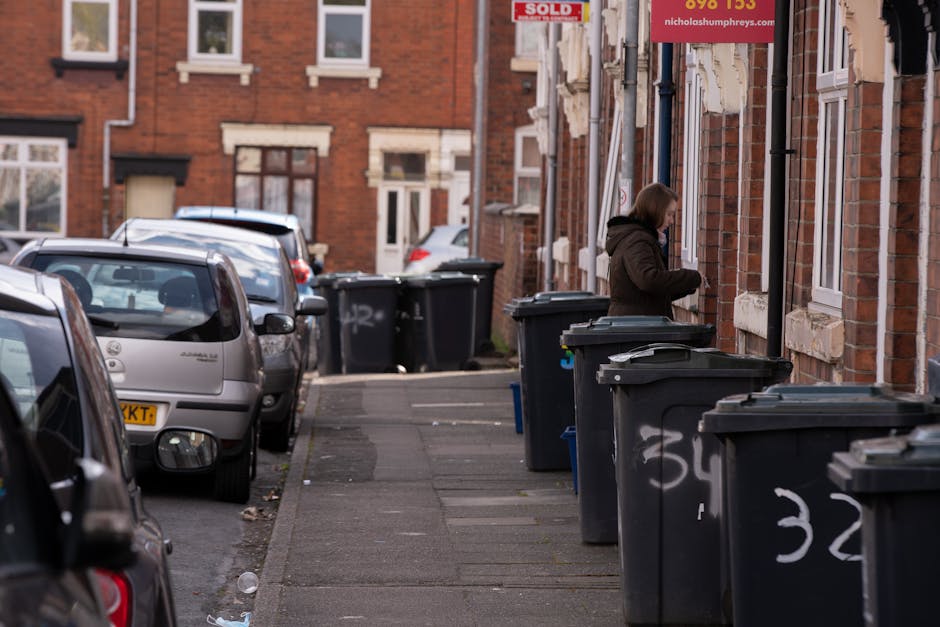
If you live in SE24, household rubbish removal can feel very different from one street to the next. A narrow terrace near busy shopping streets, a top-floor flat with no lift, a Victorian house with a deep front path, a mews with awkward parking - it all changes how rubbish gets out of the property and into the truck. That is exactly why a SE24 street by street guide to household rubbish removal is useful: it helps you plan around real-world access, sorting, timing, and disposal rather than guessing and hoping for the best.
In practice, the difference between a smooth collection and a stressful one is usually not the waste itself. It is the details. Can the van stop close enough? Is there room to carry bags down stairs safely? Do you have a mattress, broken wardrobe, or old appliance that needs special handling? This guide walks through the local picture in plain English so you can clear household rubbish without the usual faff.
Table of Contents
- Why SE24 street by street guide to household rubbish removal matters
- How SE24 street by street guide to household rubbish removal works
- Key benefits and practical advantages
- Who this is for and when it makes sense
- Step-by-step guidance
- Expert tips for better results
- Common mistakes to avoid
- Tools, resources and recommendations
- Law, compliance, standards, or best practice
- Options, methods, or comparison table
- Case study or real-world example
- Practical checklist
- Conclusion
- Frequently Asked Questions
Why SE24 street by street guide to household rubbish removal Matters
SE24 covers a mix of housing styles, and that matters more than people often expect. A rubbish clearance that works perfectly on one road might be awkward two streets away. One property may have a wide frontage and easy roadside loading. Another may sit on a tight residential street where a large van blocks traffic if it lingers too long. That sort of thing sounds small until you are standing there with three bin bags, a dismantled bed frame, and a stairwell that seems to get narrower every time you make a trip down it.
This is where local awareness comes in. Household rubbish removal is not just about taking waste away; it is about doing it efficiently, safely, and in a way that suits the property and the street. In SE24, that often means thinking about shared entrances, parking restrictions, fly-tipping risks, and whether items need to be carried through a narrow hallway or down external steps.
It also helps residents choose the right service. Some jobs are simple bag-and-bulk collections. Others are better handled as a full house clearance or a more general home clearance if several rooms need sorting at once. Truth be told, a lot of stress comes from trying to force the wrong method onto the wrong property.
Expert takeaway: In SE24, successful rubbish removal is usually about access, timing, and sorting first, and volume second. Get those three right and the rest becomes much easier.
How SE24 street by street guide to household rubbish removal Works
A good household rubbish removal process is straightforward. First, you identify what needs removing. Then you separate anything reusable, recyclable, hazardous, or special-handling. After that, the collection method is matched to the property layout and the street conditions. Simple enough on paper. In real life, there are a few moving parts.
For SE24 homes, the process often looks like this:
- Review the rubbish by room. Attics, kitchens, sheds, and spare bedrooms usually hold different waste types, so do not start in the wrong place and work backwards. You will only make more mess.
- Check access and parking. Measure narrow halls, stair turns, and any gate widths if you have bulky furniture or appliances.
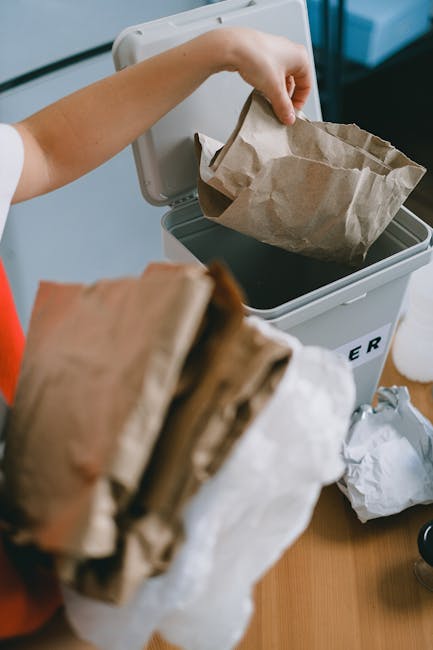
- Sort the material. Keep general household waste apart from electricals, appliances, scrap metal, and anything that may count as hazardous.
- Decide the removal method. Small loads may suit a simple collection, while larger clearances may need a broader waste removal plan.
- Prepare items for lifting. Empty drawers, tape loose doors shut, and remove anything fragile from inside furniture. A quick five-minute prep saves a lot of grumbling later.
- Collect and sweep through. The best teams leave the area tidy, not just empty.
If you are clearing a flat, it can help to compare services first. Some jobs are best handled as flat clearance, especially where stair-only access or shared corridors make a quick lift-and-load approach more sensible than repeated DIY trips. For larger, mixed loads, looking at waste removal options can be a better fit than planning a patchwork of separate trips to disposal points.
One thing many people overlook: what looks like a "bit of rubbish" can become quite a lot once you start pulling it out from behind cupboards or under loft insulation. The pile grows. It always does.
Key Benefits and Practical Advantages
The main benefit of organised household rubbish removal is not just a cleaner property. It is breathing room. When a front room, garage, or spare bedroom is packed with old items, the place starts to feel heavier somehow. Clearing it changes the feel of the home immediately.
- Less disruption: A planned collection reduces the number of trips in and out of the property.
- Safer handling: Bulky items such as wardrobes, mattresses, and appliances can be moved with proper lifting techniques.
- Better recycling potential: Mixed waste can still be separated for responsible processing where possible.
- Less chance of street clutter: Items are removed in one go instead of sitting on the pavement for days.
- More predictable timing: A well-organised collection keeps the job from drifting into the afternoon and dragging on.
- Reduced stress: You do not have to borrow a van, ask favours, or figure out where every item should go.
For households dealing with mixed furniture and broken household goods, a linked service such as furniture clearance or furniture disposal can simplify things. That is especially helpful if the load includes tired sofas, worn-out bookcases, or a bed that has reached the end of the road. Not glamorous, but very common.
There is also a sustainability angle. If a provider has a proper sorting process and a clear approach to recycling, more of the load can be diverted responsibly. You can read more about that kind of approach through recycling and sustainability.
Who This Is For and When It Makes Sense
This guide is for SE24 residents who want a practical, no-nonsense way to get household rubbish removed without creating extra hassle. It is particularly relevant if you are dealing with one of these situations:
- you are moving house and need a quick clear-out
- you are decluttering after months or years of items building up
- you have inherited a property and need rooms cleared carefully
- you live in a flat and cannot easily manage bulky waste down stairs
- you need to remove furniture, white goods, or mixed household junk together
- you have a garage, loft, or spare room that has become the catch-all space
It also makes sense if you have limited time. Let's face it, most people do. A lot of SE24 households are balancing work, children, commuting, or just the usual everyday chaos, and that leaves very little room for sorting waste one bag at a time. If the job has grown beyond a tidy-up, a house clearance style service can save several evenings of effort.
Sometimes the decision is obvious. If the rubbish includes a fridge, freezer, or washing machine, you may need a more specific service such as fridge and appliance removal. If it includes mattresses or bulky sofas, that is another category altogether, and mattress and sofa disposal may be the cleaner route.
Step-by-Step Guidance
Here is the simplest way to approach SE24 household rubbish removal without overcomplicating it.
1. Walk the property first
Do a slow walkthrough of each room, cupboard, loft corner, shed shelf, and under-stairs area. You are not just looking for waste; you are checking how the waste will move. A broken chest of drawers in a first-floor bedroom is a different problem from a stack of bin bags in the front garden.
2. Group items by type
Keep general rubbish, furniture, electricals, textiles, and anything hazardous separate where possible. This makes the collection faster and avoids confusion when the team arrives. It also helps with recycling outcomes. A bit of sorting now prevents a lot of shrugging later.
3. Measure awkward items
Measure large items against stairwells, doors, and gates if you are unsure. In SE24, older homes can be charming and slightly awkward in equal measure. The front door might be generous, but the hallway may not. Classic London behaviour.
4. Decide what stays and what goes
It sounds obvious, but it is worth being ruthless. If the item is broken, unused, duplicated, or beyond repair, ask whether it is worth keeping. Many people hold onto things because they might be useful one day. That day rarely arrives.
5. Separate specialist waste
Anything hazardous should be treated carefully. Paints, chemicals, solvents, sharp materials, and some electrical items need special handling. If you are unsure, do not guess. A proper hazardous waste disposal approach is the safer option.
6. Confirm your collection plan
Check what is being collected, whether labour is included, and whether access details are clear. Mention parking issues, locked gates, narrow staircases, and any objects that are heavier than they look. The words "heavier than they look" are doing a lot of work here, by the way.
7. Prepare the area
Move small loose items out of the path, protect floors if needed, and keep pets or children clear while loading is happening. You want a clean route in and out.
8. Keep the final sweep simple
Once everything is gone, check corners, cupboards, and behind doors. That last forgotten lamp or small bag is often hiding in plain sight.
Expert Tips for Better Results
A few small habits can make a big difference when arranging rubbish removal in SE24.
- Book with access in mind, not just load size. A half-full van can still struggle if the staircase is tight or parking is difficult.
- Separate mattresses and soft furnishings early. They take up more room than people expect and can dictate how the truck is loaded.
- Be honest about volume. Underestimating the job is one of the quickest ways to create delays.
- Use photos if the collection is being arranged in advance. Good photos help with estimates and reduce surprises on the day.
- Keep fragile or sentimental items away from the clearance pile. It sounds simple, but family photos and paperwork sometimes end up next to junk boxes by mistake.
- Ask how recyclable material is handled. If sustainability matters to you, choose a provider with a clear recycling process.
For loft-heavy properties, it is often worth checking whether the job is better framed as loft clearance. Loft work can be fiddly, dusty, and surprisingly tiring. You know the kind of job - you start with a few bags and end up sneezing through a layer of old insulation and cardboard.
If you are clearing a larger property or several rooms at once, a broader home clearance approach often makes scheduling easier and can reduce repeat visits.
Common Mistakes to Avoid
Most rubbish removal problems are preventable. They usually come from rushing, guessing, or assuming all waste is treated the same.
- Leaving sorting until collection day: This slows everything down and can cause confusion at the kerb.
- Forgetting about access: A van cannot magically shrink to fit a tight street.
- Mixing hazardous waste with general rubbish: That is a safety issue, not just a disposal issue.
- Underestimating weight: Wet garden waste, old books, and appliance loads can be heavier than they first appear.
- Leaving items outside overnight: This increases the risk of fly-tipping, rain damage, and complaints from neighbours.
- Choosing the cheapest option without checking the service scope: A low price is not useful if it does not include labour, loading, or proper disposal.
A related mistake is assuming all bulky waste is "just rubbish." It is not. An old fridge, a shattered mirror, a carpet roll, and a stack of renovation offcuts each need a slightly different approach. If the load is mixed and messy, it may be wiser to use a general waste removal service rather than trying to classify everything yourself in a hurry.
Tools, Resources and Recommendations
You do not need a full van-load of equipment to prepare for rubbish removal, but a few practical items help a lot.
| Item | Why it helps | Best used for |
|---|---|---|
| Heavy-duty bin bags | Reduce tearing and spills | General household waste, textiles, light mixed rubbish |
| Gloves | Protect hands from dirt and sharp edges | Sorting lofts, garages, and sheds |
| Furniture sliders or a dolly | Make bulky items easier to move | Wardrobes, drawers, small appliances |
| Tape and labels | Keep loose parts together | Flat-pack furniture, dismantled shelves, cables |
| Phone camera | Helps document the load | Quotes, access checks, and room-by-room planning |
There are also a few useful pages on the website that can help you plan the job more confidently. If you are comparing pricing and want a clearer idea of what affects the final figure, pricing and quotes is a sensible place to start. If you want to understand what the team can take and how loads are assessed, what can go in a skip is also a helpful reference point, even if you are not actually using a skip.
For the business side of things, it can be reassuring to review insurance and safety and the health and safety policy. These are the sort of pages people sometimes skip, then wish they had not. Not exciting reading, admittedly, but useful.
Law, Compliance, Standards, or Best Practice
Household rubbish removal in the UK is not something to treat casually. While every property is different, the basic expectation is that waste is handled responsibly, safely, and by a suitable operator. If you are hiring a removal service, it is sensible to check that the business follows standard UK waste handling practice and can explain how the waste is managed.
For residents, the practical takeaway is simple:
- do not leave waste on the pavement unless it is being collected and supervised
- separate any hazardous items and ask for guidance if needed
- avoid giving waste to anyone who cannot explain where it goes
- keep paperwork or receipts when a service has been arranged
For businesses and mixed-use households, confidential documents should never be mixed into general rubbish. If paper disposal is part of the job, a dedicated confidential shredding approach is the safer option. That is particularly useful for home offices, landlords, and people clearing older filing cabinets. It is one of those things that seems minor until you are staring at a box of personal paperwork and realising it should never have gone into a black bag.
Best practice also means respecting the street itself. In SE24, that can mean keeping loading tidy, avoiding blocked driveways, and being considerate to neighbours. A good clearance should leave the property calmer and the pavement no worse than before.
Options, Methods, or Comparison Table
There is no single right way to remove household rubbish in SE24. The best method depends on what you are clearing, how much there is, and how the property is laid out.
| Method | Best for | Pros | Trade-offs |
|---|---|---|---|
| DIY trips to a disposal point | Small amounts of loose rubbish | Can suit very light loads | Time-consuming, multiple journeys, hard without a vehicle |
| Kerbside bag collection | Bags and small mixed waste | Quick and simple | Not ideal for bulky items or awkward access |
| Dedicated household clearance | Whole rooms, lofts, garages, mixed items | Efficient, labour included, easier for heavy loads | Usually needs a clear scope and access details |
| Specialist item removal | Appliances, mattresses, sofas, hazardous items | Safer and more appropriate for specific waste streams | May need separate booking if items are varied |
If your rubbish includes one large category, specialist pages such as mattress and sofa disposal, fridge and appliance removal, or garage clearance can be a better fit than a general catch-all approach.
In our experience, people usually know the right option once they stop describing the job as "a few bits and bobs" and look at the pile properly. Slightly painful, but true.
Case Study or Real-World Example
Picture a typical SE24 Saturday morning. A family has been storing old furniture, broken toys, cardboard boxes, and a couple of awkward appliances in a back room and hallway. The room had become one of those places where things are temporarily stored for a year and somehow still called "temporary."
The main challenge was access. The house had a narrow hall and a few tight turns, and the front street did not offer endless parking. The family first sorted out what was actually going, then separated a fridge, a mattress, some general rubbish, and a set of damaged shelves. They also moved a few sentimental items out of the way, which saved everyone from unnecessary panic.
Because the load was mixed, a one-size approach would have been clumsy. The better move was to group the items and handle them as part of a broader household clearance rather than leaving them scattered in separate corners. The result was quick, tidy, and much less stressful than a series of DIY trips would have been. By mid-morning the room had gone from cramped and dusty to usable again. Honestly, that change can feel bigger than expected.
The point is not that every property needs the same solution. It is that the right removal method should fit the street, the stairs, and the waste itself. Once those three things line up, the job becomes far more manageable.
Practical Checklist
Use this checklist before your SE24 rubbish removal appointment or DIY clear-out.
- Walk through every room and identify what is going
- Separate general waste from special items
- Put hazardous materials aside for advice
- Measure bulky furniture and check doorway widths
- Confirm parking and access details
- Remove loose items from drawers, cupboards, and shelves
- Keep pets and children away from the loading route
- Take photos if you are requesting a quote
- Ask whether labour, lifting, and disposal are included
- Check whether the job is better suited to a specific service such as garage clearance or loft clearance
- Make sure the final sweep includes corners, behind doors, and under furniture
Quick summary: the smoother the prep, the faster the collection. That is the whole game, really.
Conclusion
A SE24 street by street guide to household rubbish removal is really a guide to making the process fit real life. Streets differ. Homes differ. Access differs. And when you factor in stairs, parking, furniture sizes, and the odd awkward item that will not fit through the door no matter how confidently you tilt it, it is easy to see why local planning matters.
The good news is that the process does not need to be complicated. Sort the load, think about access, match the right service to the waste, and keep the job tidy from start to finish. Whether you are clearing one room or a whole property, a little planning goes a long way. It saves time, keeps costs sensible, and makes the whole thing feel less like a chore and more like progress.
If you are ready to move from planning to action, explore the service information, compare your options, and choose the route that best fits your property and your schedule. Small, practical steps usually win here.
Get a free quote today and see how much you can save.
And once the last bag is gone, there is a lovely bit of quiet that follows. Fresh space. Less clutter. One less thing hanging over the week.
Frequently Asked Questions
What does SE24 street by street guide to household rubbish removal actually mean?
It means looking at rubbish removal through the lens of SE24 streets, property types, and access conditions rather than treating the whole area as one generic job. A flat on a narrow road needs a different approach from a house with a front drive.
Is household rubbish removal in SE24 suitable for flats?
Yes, absolutely. Flats often benefit most from planned collections because stairs, lifts, and shared entrances can slow everything down if the job is not organised properly. That is where a flat-based approach can be useful.
Can I mix furniture and general rubbish in one collection?
Usually, yes, but the load should be described clearly. Mixed loads are common, especially during decluttering. If the waste includes bulky pieces, look at furniture or house clearance options so the handling is planned correctly.
What should I do with an old fridge or washing machine?
Appliances should be handled separately where possible. They can be heavy, awkward, and sometimes need specific disposal arrangements. A dedicated fridge and appliance removal service is usually the simplest answer.
How do I know if something counts as hazardous waste?
If it contains chemicals, solvents, paints, oils, sharps, or unknown substances, treat it carefully. When in doubt, keep it separate and ask for guidance rather than mixing it with normal rubbish.
Do I need to sort everything before the team arrives?
You do not need to sort every last item perfectly, but basic grouping helps a lot. Keep hazardous items apart, move valuables out of the way, and separate obvious furniture from loose rubbish if you can.
What if my street has difficult parking?
Tell the provider in advance. Parking and access details matter just as much as the volume of waste. A clear description can prevent delays and avoid awkward last-minute shuffling with bags and furniture.
Is it better to book a house clearance or a waste removal service?
It depends on the job. If you are clearing multiple rooms, a loft, or a mixture of household items, house clearance may be more suitable. For smaller mixed loads, general waste removal may be enough.
How can I make the removal process faster?
Keep the route clear, separate the load as much as possible, and give accurate access information. A few minutes of prep can save a surprising amount of time on the day.
What happens to the rubbish after collection?
That depends on the provider and the waste type. Responsible operators aim to sort and route waste for reuse, recycling, or proper disposal where appropriate. If sustainability matters to you, check the recycling and sustainability information before booking.
Can I include mattresses and sofas with the rest of the waste?
Sometimes, yes, but bulky soft furnishings are often easier to manage as part of a specific mattress and sofa disposal service. That helps with loading, transport, and handling.
How do I avoid overpaying for rubbish removal?
Be accurate about the load, mention access issues, and compare service scope rather than just headline price. The cheapest quote is not always the best value if labour, handling, or disposal are unclear.
If you want to understand the business behind the service before booking, you can also look at the company's about us page and review the terms and conditions for extra peace of mind.